Physical Therapy for Musculoskeletal & Orthopedic Conditions
Rehabilitating & Preventing Orthopedic Issues
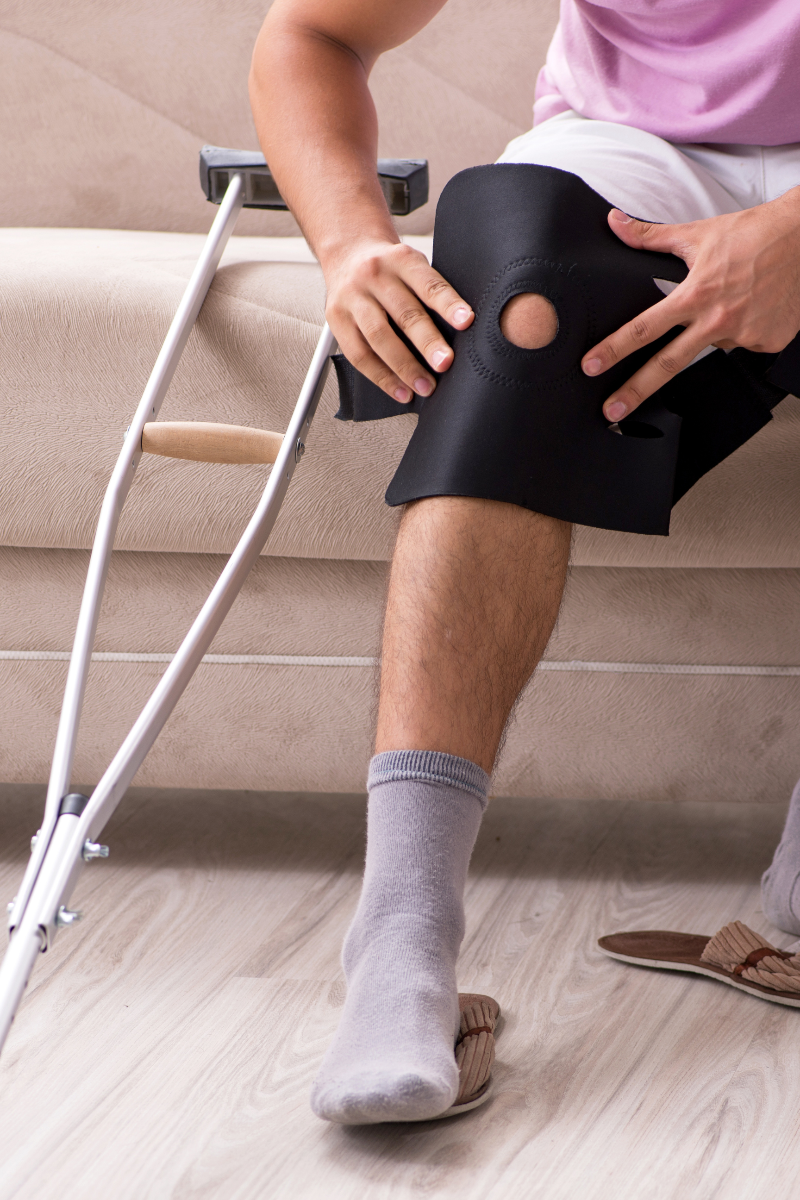
Dealing with any type of pain, numbness, or tingling associated with a joint, muscle, tendon, or ligament can be scary at any age. Monroe Physical Therapy can help. Common issues include: neck pain, back pain, pinched nerves, chronic headaches and temporomandibular joint (TMJ) dysfunction as well as symptoms in the shoulder, elbow, wrist, hand, pelvis, hip, knee, or foot.
Who Does Monroe Physical Therapy Treat?
Issues related to musculoskeletal and orthopedic conditions can happen to anyone, at any life stage. Rachael Gumm works with children, teens, and adults (including those in their golden years).
Common Conditions Physical Therapy Addresses
If you don’t see your condition listed, Rachael may still be able to help. Please don’t hesitate to reach out for more information.
Post-Surgical Rehabilitation
Recovering from surgery can be challenging for many reasons. Pain, tissue damage, scar tissue, and other issues can impact your recovery. Restoring strength, mobility, and function after surgery through structured treatment programs can help.
Physical Therapy for Post-Surgical Rehabilitation
You can feel confident you are in good hands at Monroe Physical Therapy. Rachael has completed specialty training in orthopedics through a rigorous residency program, equipping her with advanced clinical skills and expertise. She specializes in treating post-surgical patients, providing comprehensive, individualized care to support optimal recovery and rehabilitation.
Her approach focuses on restoring strength, mobility, and function through personalized treatment plans tailored to each patient’s unique needs. By combining evidence-based techniques, guided exercise, and consistent support, Rachael helps patients reduce pain, regain independence, and safely return to their daily activities with confidence.
Acute Injuries
Any injury that happens due to a traumatic incident, regardless of the severity, is an acute injury.
Physical Therapy for Acute Injuries
For recent injuries, physical therapy immediately focuses on reducing pain and inflammation, restoring range of motion, and gradually rebuilding strength and stability. Early guided rehabilitation promotes proper healing and helps prevent long-term complications.
We want you to get better quickly, but we also want to prevent future re-injury. Effective treatment should seamlessly transition into performance optimization and injury prevention programming. Once pain is reduced and movement improves, we’ll work through targeted strength, mobility, and stability training designed to enhance performance and reduce the risk of future re-injury. Getting you out of pain is important. Keeping you out of pain is essential.
Overuse Injuries
When a part of the body is put through repetitive or excessive movements without giving it time to recover, overuse injuries can happen. Overuse injuries can occur in people who play sports, lift heavy objects, type, clean, garden, and more. They can develop quickly or gradually, and can range from mild to severe.
Physical Therapy for Overuse Injuries
We are creatures of habit and our pain is often connected to our daily routines. Identifying the root cause of your injury is essential to achieving long-term results and not just temporary relief. Physical therapy can help address these causes and work toward healing and strengthening the affected area to reduce pain and further injury. Small changes can make large impacts on improving symptoms.
We’ll focus on correcting biomechanical imbalances, improving flexibility and mobility, modifying contributing activities or habits, and strengthening the supportive muscle groups that protect joints and optimize movement. By addressing the “why” behind your pain, we can create a foundation for lasting recovery, improved performance, and a reduced risk of re-injury.
Athletic Injuries
People of all ages can experience athletic injuries. These injuries may be acute or due to overuse, and can affect bones, muscles, and soft tissues. These injuries may heal within weeks or months, while others may have longer lasting effects. If not properly addressed, these injuries might not heal as well as they should.
Physical Therapy for Athletic Injuries
Physical therapy can be the key to getting you back to enjoying your favorite activities without the added pain. We’ll start with a comprehensive assessment of whole-body movement patterns to identify the underlying causes of any pain and dysfunction. Rather than focusing solely on where symptoms appear, we’ll examine how different regions of the body work together during movement to uncover contributing factors and root causes.
Treatment may include sport-specific rehabilitation designed to restore strength, agility, balance, and coordination after a sports injury. As you progress, structured return-to-play protocols can help ensure a safe, gradual transition back to activity while minimizing the risk of reinjury, so you can perform with confidence and durability.
Concussions
A concussion is a common type of traumatic brain injury that occurs when the brain moves inside the skull, usually due to an impact sustained by the head or body. The most common cause is falls, but they’re also common in athletes playing contact sports, people who have been in motor vehicle or bicycle accidents. Although we may think of losing consciousness as a major symptom, under 10% of people with concussions lose consciousness.
If symptoms worsen, last longer than expected, or include severe headache, repeated vomiting, seizures, or increased confusion, seek emergency medical care immediately.
Physical Therapy for Concussion Care
Concussions can result in a wide variety of physical, cognitive and emotional symptoms such as lingering headaches, neck pain, dizziness and more. Early intervention is key and treatment will focus on recalibrating neurological function to help restore strength and tolerance to your normal daily activities.
Rachael Gumm is AIB-VRC certified (Vestibular Rehabilitation and Concussion Certification) and holds specialty certification in concussion care from the American Institute of Balance. She is specifically trained in concussion rehabilitation, which includes:
- assessing symptoms to determine whether you have a concussion;
- evaluating balance, coordination, eye movement, neck function, and tolerance to activity;
- creating a personalized progressive recovery plan;
- guiding a safe return to daily activities;
- providing education on symptom management and pacing; and
- aiding in referring to other specialists as needed
Resources
The American Institute of Balance
Concussion Self Quizzes
Choose PT
Detailed Concussion Overview
Workers’ Compensation Injuries
If you’ve been injured on the job and have filed a Workers’ Compensation claim, working with a physical therapist who has experience dealing with the ins and outs of these claims can make the process easier.
Physical Therapy for Workers’ Compensation Injuries
Comprehensive treatment for injuries sustained on the job plays a pivotal role in recovery. Workers’ Compensation injuries can involve the back, neck, shoulder, knee, repetitive strain conditions, and more. Our goal will be to restore function safely and efficiently, while supporting a timely return to work.
We’ll work together to design job-specific rehabilitation programs based on the physical demands of your position. This may include lifting mechanics training, endurance conditioning, work-simulation activities, postural correction, and task-specific strengthening. By replicating real job tasks in a controlled environment, we can help rebuild the strength, mobility, coordination, and stamina required for your role.
Reducing symptoms and improving functional tolerance is key and we’ll work toward both through pain management strategies, manual therapy, and progressive exercise programs. We’ll also work to decrease the risk of re-injury through education on body mechanics and injury prevention.
Throughout your rehabilitation, we use a data-driven approach called objective progress tracking to clearly document your improvement. This includes strength measurements, range of motion testing, functional assessments, and tolerance benchmarks. That information is used in communication with employers, case managers, and physicians to ensure a safe, confident, and well-supported return-to-work plan.
Recovery with Physical Therapy
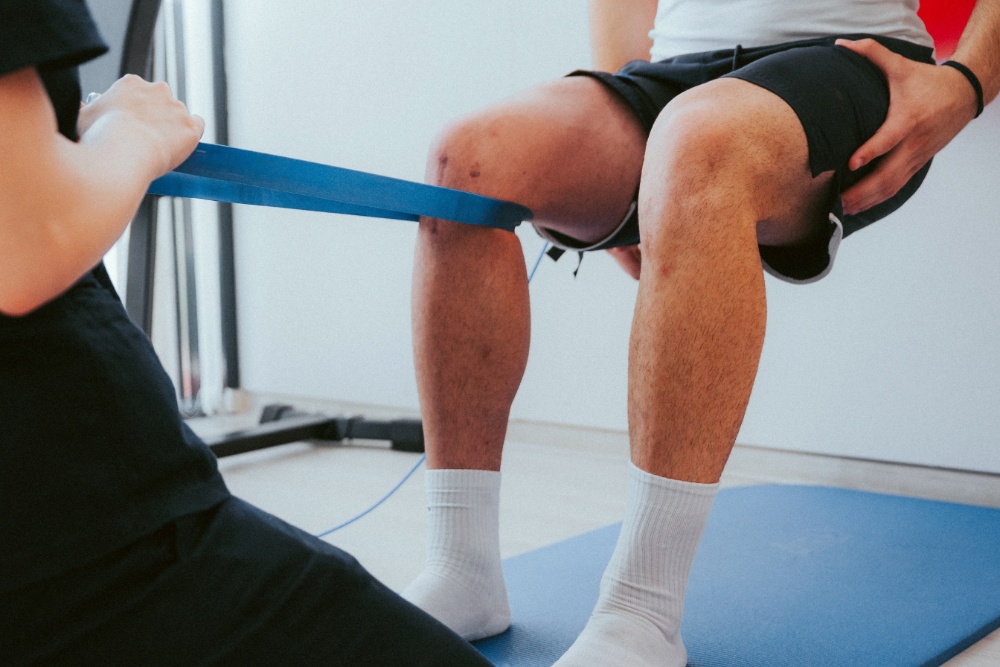
Through physical therapy, you can decrease pain, increase mobility, learn how to prevent future injuries, and regain confidence in movement. Monroe Physical Therapy can help you on the path to recovery by creating a comprehensive, patient-centered care plan.
Get in Touch
Send a Message
Hours
Tuesday: 8:30am-4:30pm
Wednesday: 8:30am-4:30pm
Thursday: 8:30am-4:30pm
Friday: 8:30am-12:30pm
Saturday-Monday: Closed
Appointments outside of scheduled hours are available upon approval from your physical therapist.
Fax
(515) 809-3676