Geriatric Conditions & Physical Therapy
Empowering Older Adults through Movement
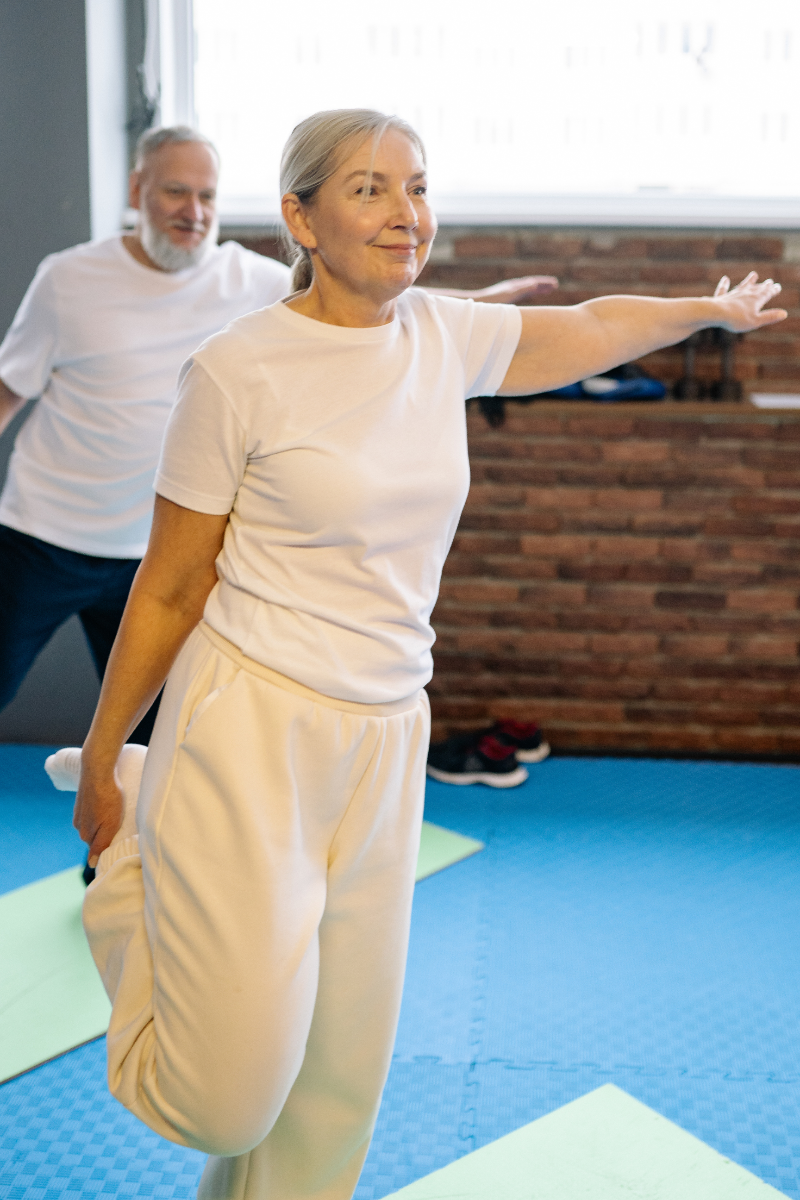
Aging can come with unique physical challenges, such as progressive diseases and reduced strength and mobility. Physical therapy can help address specific conditions, improve balance and mobility, prevent falls, manage pain, and more.
Common Geriatric Conditions
Physical therapy can help address a wide range of conditions affecting older adults. If you do not see the condition you’re experiencing listed, please reach out to Rachael Gumm, AIB-VRC, to find out how she may be able to help.
Balance Deficits & Repetitive Falls
When your stability is at risk, so is your quality of life. Balance disorders can lead to falls, which are among the leading causes of injury and death among seniors in the US. Balance issues can feel like dizziness, lightheadedness, or feeling as if the room is spinning. These problems can stem from arthritis, changes in posture, and more, but are often related to your vestibular system—structures of your inner ear that affect balance. Addressing balance issues can help lower your risk for falls and help you regain the confidence to live your life to the fullest.
How Physical Therapy Can Help
Each year in the US, around one in four adults over the age of 65 report falling, and more than one in four older adults who fall don’t report it to their doctor. Falling once can double your chance of falling again. This doesn’t have to be the case and it’s not a “normal” part of life. Working with a physical therapist to address risk factors that can lead to future falls can help you remain independent.
It’s critically important to prevent future falls to maintain function, independence, and quality of life. Together, we can work to identify the underlying cause of your imbalance, enhance postural control, retrain your gait, and build confidence in your movement. A personalized program may include balance exercises, strength and flexibility training, fall-prevention strategies, and education on how to practice safe movement to reduce your risk of future falls. Physical therapy can also help treat injuries related to falls, including post-surgery recovery.
Resources
Choose PT
Physical Therapy Guide to Falls
Mobility Deficits
Changes in how we get around each day can happen as we age due to issues like diseases, chronic conditions, and injuries. These difficulties can lead to falls and other potentially serious incidents. Limited ability affects everyday life and can mean a loss of independence and confidence.
Physical Therapy for Mobility Issues
Reduced activity levels can be related to aging or a new stage of life that’s more sedentary. This can contribute to stiffness and reduced mobility and strength to do everyday activities, like getting up from a sofa, in and out of a car, and off the ground. Physical therapy can address joint stiffness, muscle weakness, and endurance limitations. A personalized treatment plan and one-on-one guidance can help you regain independence by increasing strength, flexibility, endurance, and confidence in your movement.
Progressive Neurological Disorders
Millions of people in the US are affected by progressive neurological disorders that gradually reduce muscle function and independence. Living with conditions like Parkinson’s disease, multiple sclerosis (MS), and stroke, can feel overwhelming because they affect so many aspects of daily life.
Physical Therapy for Progressive Disorders
Focusing on maintaining independence is important, and having the consistent support of a physical therapist can help your body adapt more effectively. A comprehensive rehabilitation program can improve strength, mobility, range of motion, and overall independence to help you maintain a higher quality of life.
You are more than a diagnosis. Rachael will take the time to understand your personal goals and guide you through small, achievable steps to help you reach them with confidence.
Resources
APTA Private Practice
How Physical Therapy Helps People with Parkinson’s Disease
The Academy of Neurologic Physical Therapy
Multiple Sclerosis & Physical Therapy
APTA Private Practice
The Benefits of Physical Therapy After Stroke

Working with Seniors
Physical therapy is an important part of health plans for seniors living independently and in assisted living homes. You know your body well, and we’ll work together to create a plan that works best for you.
Get in Touch
Send a Message
Hours
Tuesday: 8:30am-4:30pm
Wednesday: 8:30am-4:30pm
Thursday: 8:30am-4:30pm
Friday: 8:30am-12:30pm
Saturday-Monday: Closed
Appointments outside of scheduled hours are available upon approval from your physical therapist.
Fax
(515) 809-3676